 4.9 Stars | Google

Aug
IPL Therapy & Dry Eye Syndrome
The Menopause Symptom No One Talks About: Dry Eye
Hot flushes, night sweats, brain fog, and mood changes are widely recognised as hallmark signs of perimenopause and menopause. Yet, millions of women across the UK experience an equally frustrating—and frequently overlooked—symptom: chronic, painful, and irritating dry eye.
If you find yourself constantly reaching for eye drops, dabbing at watery eyes during social gatherings, or finding your contact lenses increasingly uncomfortable, you are not imagining it. Hormonal fluctuations during perimenopause and menopause directly impact your tear film, leading to a condition known as Dry Eye Syndrome.
At Opticare Opticians, our specialist dry eye clinic in Newark (supported by our community practices in Anstey, Birstall, and Sileby) provides targeted diagnostic assessments and advanced clinical treatments to tackle dry eye at its root cause—rather than simply masking the symptoms with temporary drops.
Why Does Menopause Cause Dry Eyes?
The health and stability of your eyes rely on a delicate tear film composed of three layers: water, mucin, and oil. The outer oil layer is produced by tiny glands along the edge of your eyelids called Meibomian glands. This oil layer is crucial because it prevents your natural tears from evaporating too quickly.
During perimenopause and menopause, levels of key hormones—specifically estrogen and androgens—begin to decline. Androgens play an essential role in regulating Meibomian gland function. When androgen levels drop:
- Meibomian Gland Dysfunction (MGD) develops, causing the oil-producing glands to become inflamed or clogged.
- The oil layer of your tear film becomes deficient, causing your natural tears to evaporate rapidly.
- The ocular surface becomes inflamed, leading to grittiness, redness, burning, and persistent discomfort.
Did You Know? Watery eyes are often a sign of dry eye syndrome. When your eyes evaporate tears too quickly due to a lack of protective oil, your brain responds by producing an overabundance of watery, reflex tears. However, because these tears lack oil, they roll down your cheeks without actually lubricating your eyes.
Common Signs of Hormonal Dry Eye
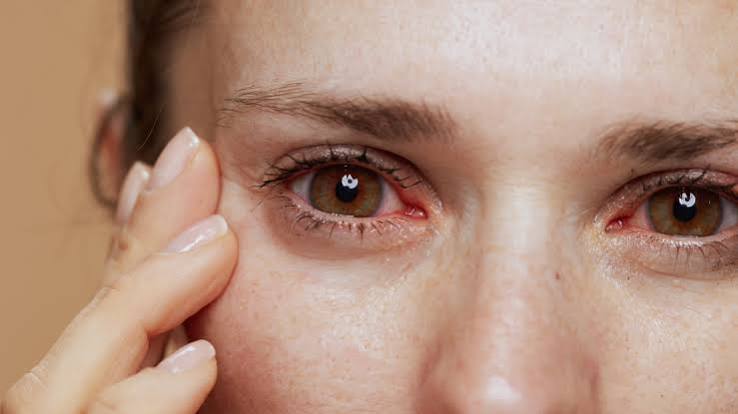
Menopausal dry eye can present in subtle or unexpected ways. Many women live with these symptoms for years without realising they are linked to hormonal shifts:
- Grittiness or a foreign body sensation, as if sand is trapped under the eyelids.
- Fluctuating or blurry vision, especially when reading or using screens.
- Redness and sore, burning eyelids.
- Increasing contact lens discomfort, forcing you to give up lenses altogether.
- Tired, fatigued eyes after working at a desktop or mobile device.
- Social discomfort, feeling self-conscious about red, watery eyes during dinner or social events.
Why Eye Drops Aren’t a Long-Term Solution
When dry eye symptoms strike, most people head to the pharmacy for over-the-counter lubricating eye drops. While artificial tears provide instant, temporary relief, they do not cure the underlying cause of dry eye.
Relying solely on drops is like mopping up water from a leaking pipe without fixing the leak itself. Over time, untreated inflammation can lead to progressive gland loss and worsening discomfort. To achieve lasting comfort, you must address gland health and inflammation directly.
Treating the Root Cause: Advanced Dry Eye Solutions at Opticare
At Opticare Opticians in Newark, we offer advanced clinical pathways designed to break the vicious cycle of dry eye syndrome.
For a more detailed guide to menopause-related dry eye, symptoms, assessment and treatment options, visit our Menopause & Dry Eye Clinic guide.
1. Antares Corneal Topography & Tear Film Analysis
Before beginning treatment, we perform a comprehensive assessment using state-of-the-art Antares corneal topography. This non-invasive technology maps your corneal surface, evaluates tear film stability, and captures detailed infrared imaging of your Meibomian glands. This allows our optometrists to precisely diagnose the severity and specific cause of your dry eye.
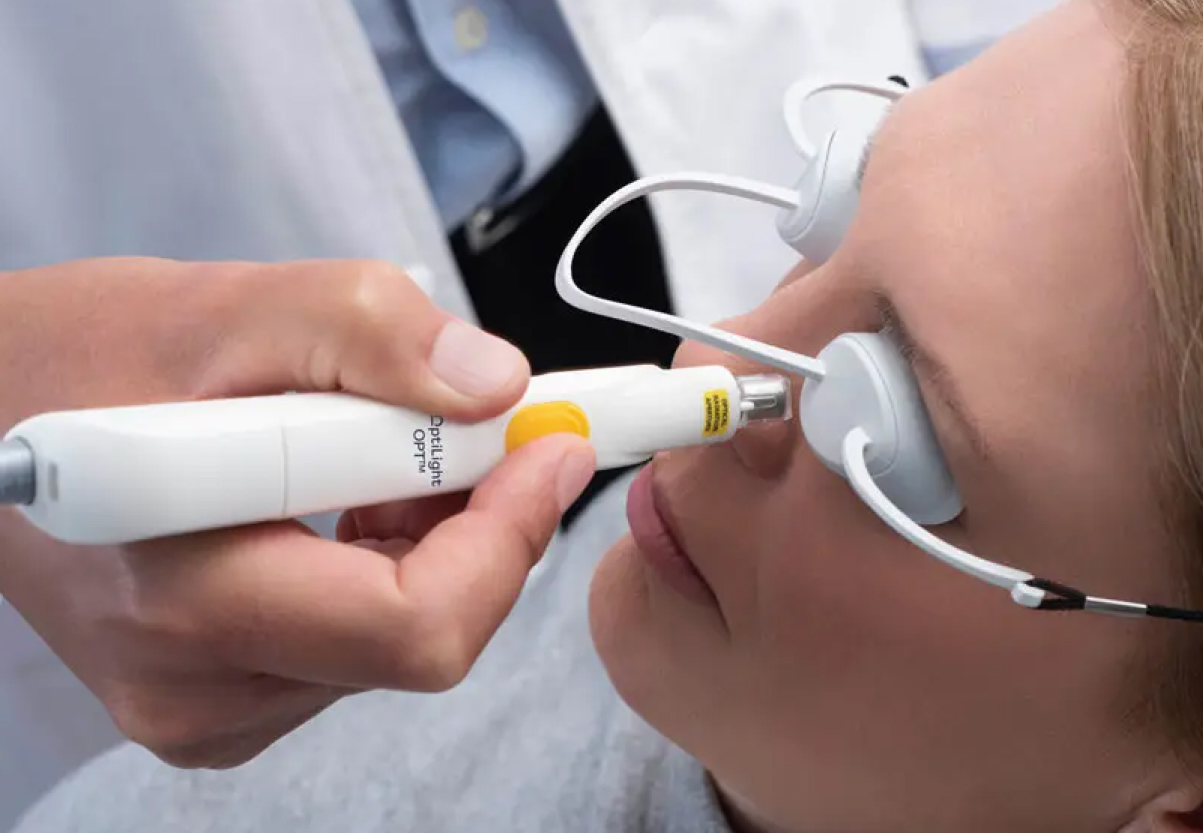
2. OptiLIGHT IPL (Intense Pulsed Light) Therapy
Opticare Newark is proud to provide Lumenis OptiLIGHT IPL, the first and only FDA-approved IPL treatment specifically designed for dry eye management.
OptiLIGHT IPL uses precise, gentle pulses of light applied below the eyes to:
- Reduce inflammation along the eyelids and surrounding tissues.
- Warm and unblock clogged Meibomian glands, restoring natural oil flow to the tear film.
- Eradicate abnormal blood vessels that contribute to chronic ocular inflammation.
- Improve overall tear quality, reducing the need for constant eye drops.
Treatment sessions are quick, comfortable, and require no downtime. Most patients undergo a series of four brief sessions for with the aim of restoring comfort and providing long-lasting relief. Patients who have joined our Optiplan membership are eligible for Dry Eye Assessments and Blephex treatment every 6 months, at no extra cost.
Frequently Asked Questions (FAQs)
Can perimenopause cause dry eyes before my periods stop?
Yes. Hormonal fluctuations often begin several years before full menopause during perimenopause. Decreases in androgen and estrogen levels during this stage can trigger early Meibomian gland dysfunction and dry eye symptoms.
Why are my eyes watering if they are supposed to be dry?
This is known as reflex tearing. When your tear film lacks oil, tears evaporate quickly, leaving the surface of the eye exposed and irritated. The eye responds by flooded tears, but these lack the necessary oil layer to stay on the eye.
Is IPL dry eye treatment painful?
No. OptiLIGHT IPL is a non-invasive, gentle procedure. Patients typically experience a mild warming sensation during the short session.
Book Your Dry Eye Assessment Today
You do not have to live with uncomfortable, watery, or gritty eyes. If perimenopause or menopause is affecting your eye comfort, our expert optometrists at Opticare are here to help.
Visit our specialist Newark Dry Eye Clinic at 3 Paxtons Court, or speak with our friendly teams at our Anstey, Birstall, and Sileby locations to arrange your initial consultation.
- Newark Practice: 01636 679 555
- Anstey Practice: 0116 234 0434
- Birstall Practice: 0116 267 7855
- Sileby Practice: 01509 812 088
Click here to book your Dry Eye Assessment at Opticare Opticians