 4.9 Stars | Google

Aug
Eyecare & Health
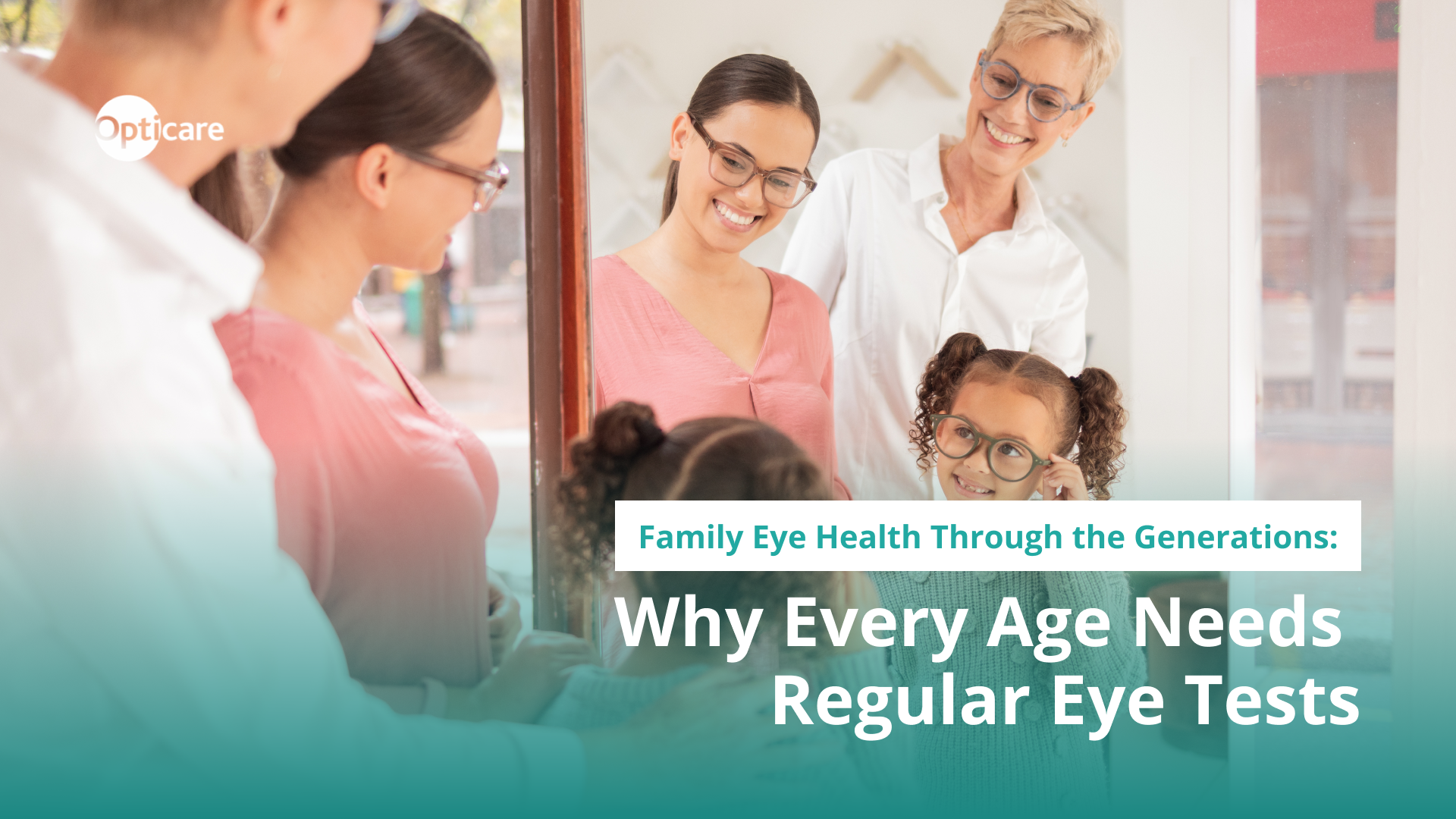
Family Eye Health Through the Generations: Why Every Age Needs Regular Eye Tests
Eye health is often viewed as something that becomes important as we get older. While age-related eye conditions certainly become more common later in life, good vision and healthy eyes are important at every stage of life.
From childhood learning and development to workplace productivity, driving safety, and maintaining independence in later years, our eyes play a vital role in everyday life. Regular eye examinations help ensure that vision problems are detected early, prescriptions remain accurate, and potential eye health issues are identified before they progress.
For many households, working with a trusted family optician can help establish lifelong habits that support eye health throughout life. Whether you’re arranging your child’s first eye exam or managing age-related changes in later years, regular eye tests are an essential part of preventative healthcare.
Why Eye Health Matters at Every Age
Many eye conditions develop gradually and may not cause noticeable symptoms in their early stages. Regular eye tests can detect conditions such as glaucoma and age-related macular degeneration before symptoms become apparent, helping preserve vision through early intervention.
Eye examinations can also reveal wider health issues, including:
- Diabetes
- High blood pressure
- High cholesterol
- Certain neurological conditions
Childhood: Building the Foundations for Healthy Vision
Good vision is essential for a child’s development. Children rely heavily on their eyesight to learn to read, participate in classroom activities, develop coordination, build social skills, and engage in sports and hobbies.
Research from the Association of Optometrists suggests that around one in five school-aged children may have an undetected vision problem.
Common Childhood Eye Conditions
Regular eye exams can help identify:
- Short-sightedness (myopia)
- Long-sightedness (hyperopia)
- Astigmatism
- Lazy eye (amblyopia)
- Squints (strabismus)
- Binocular vision problems
Because children often assume their vision is normal, they may not report problems. This is one reason why routine eye exams for all ages should begin at a normal age.
For more information on your child’s vision, see our guide on the topic here.
Teenagers and Young Adults: Managing Changing Vision
Vision often changes during adolescence and early adulthood. Increasing educational demands, digital device use, and lifestyle changes can place additional strain on the visual system.
Common issues among younger adults include:
- Progressing myopia
- Digital eye strain
- Headaches associated with vision problems
- Contact lens-related concerns
According to Ofcom, UK adults spend an average of more than four hours per day online, with younger age groups typically spending significantly longer. Increased screen use has contributed to growing awareness of digital eye strain symptoms such as tired eyes, headaches, and blurred vision.
Regular eye tests ensure vision remains comfortable and effective during education, work, and leisure activities.
Working-Age Adults: Protecting Vision and Eye Health
Many adults assume that if they can see clearly, they do not need regular eye examinations. However, numerous eye conditions can develop without initially affecting vision.
Routine eye tests can help identify:
- Glaucoma
- Diabetic retinopathy
- Cataracts
- Dry eye syndrome
- Retinal abnormalities
The charity Glaucoma UK reports that approximately 700,000 people in the UK are affected by glaucoma, with many cases remaining undiagnosed because symptoms often do not appear until significant vision loss has occurred.
Early detection remains one of the most effective ways to protect long-term sight as eye examinations may also reveal signs of broader health conditions. Changes observed within the retina can sometimes include diabetes, hypertension, and cardiovascular disease.
Middle Age: When Vision Needs Begin to Change
Many adults begin noticing changes in their vision during their 40s and 50s. One of the most common age-related changes is presbyopia, a natural reduction in the eye’s ability to focus on close objects.
Symptoms may include:
- Difficulty reading small print
- Holding reading material further away
- Eye fatigue
- Headaches during close work
Presbyopia affects virtually everyone as they age, making routine eye exams increasingly important during this stage of life.
Older Adults: Preserving Independence and Quality of Life
As we age, the risk of eye disease increases significantly. The most common age-related conditions include:
According to the Royal National Institute of Blind People (RNIB), more than two million people in the UK are living with sight loss significant enough to impact their daily life. This figure is expected to increase as the population ages.
Good vision plays an important role in driving safely, preventing falls, reading and communication, social participation, and maintaining independence. Routine eye care can therefore contribute directly to quality of life in later years.
Why Choose a Family Optician?
Working with a family optician offers several advantages. A practice that sees multiple generations of the same family can often build a more complete understanding of:
- Family eye health history
- Genetic risk factors
- Long-term prescription changes
- Individual vision needs
Many eye conditions have hereditary components. For example, a family history of glaucoma, macular degeneration, or certain retinal disorders may increase the importance of regular monitoring.
Having one trusted provider for family eye care can help ensure continuity and consistency across generations.
Good vision supports learning, working, driving, socialising, and maintaining independence. While visual needs evolve throughout life, the importance of regular eye care remains constant.
From identifying childhood vision problems to detecting age-related eye disease, regular eye tests provide valuable opportunities to protect sight and monitor overall health.
By choosing a trusted family optician, such as Opticare Opticians, and prioritising eye examinations for all ages, families can establish healthy habits that support eye health through life and help ensure that every generation enjoys the best possible vision.