 4.9 Stars | Google


Jul
IPL Therapy & Dry Eye Syndrome
IPL Treatment: A Guide
Dry eye is one of the most common conditions we see in patients at our practices today. Patients often describe symptoms such as itching, grittiness, redness, fluctuating vision, and discomfort – symptoms that can significantly impact quality of life. If you’re specifically dealing with itchy or gritty eyes, our dedicated guide to that symptom covers it in more depth, and our dry eye condition page covers the broader picture.
In many cases, the underlying cause is Meibomian Gland Dysfunction (MGD), where the oil-producing glands in the eyelids become blocked or ineffective. This leads to an unstable tear film and increased evaporation, both of which are primary drivers of Dry Eye Syndrome.
Traditional treatments such as artificial tears, warm compresses, and lid hygiene can help manage symptoms, but often fall short in addressing the root cause.
What Is IPL Treatment?
Intense Pulsed Light (IPL) therapy is an advanced, non-invasive treatment that has emerged as a highly effective option for managing dry eye associated with MGD.
Originally used in dermatology, IPL has been adapted for eye care to:
- Improve oil gland function
- Reduce eyelid inflammation
- Stabilise the tear film
Clinical studies have shown that when IPL is combined with meibomian gland expression, patients experience:
- Improved tear stability
- Better gland function
- Reduced symptoms such as dryness and irritation
How IPL Works
IPL delivers controlled pulses of light to the skin around the eyes. These light pulses liquefy thickened oils blocking the glands, reduce abnormal blood vessels that contribute to inflammation, and improve tear quality, helping moisture stay on the eye surface longer. The result is a more stable, healthier tear film and long-term relief of symptoms.
Dry Eye Assessments
Every patient begins with a comprehensive dry eye assessment.
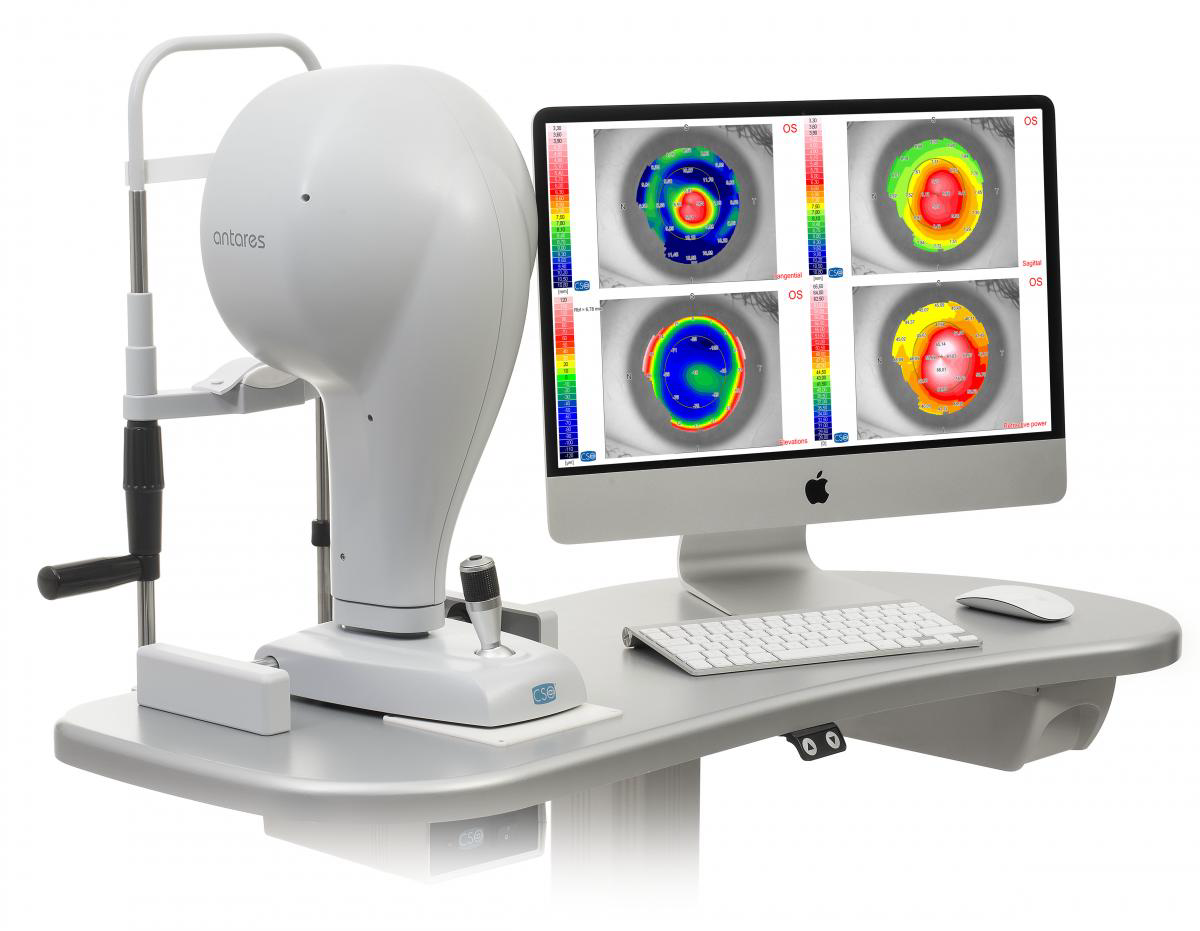
Using our revolutionary, advanced diagnostic technology, Antares+, at Opticare, we can produce a detailed dry eye report and build a clearer picture of your eye health.
Antares+ has dedicated software designed to help detect and analyse dry eye.
This allows our team to:
- Understand the cause of your symptoms
- Gain a more detailed view of your tear film stability and meibomian gland function
- Identify signs of inflammation or imbalance on the eye surface
- Determine whether OptiLIGHT IPL is suitable for you based on clinical findings
Following your assessment, we’ll talk you through your results, explain what they mean in practical terms, and recommend a tailored plan based on your individual needs.
What To Expect From IPL Treatment
OptiLIGHT IPL is a gentle light-based treatment designed to improve the function of your meibomian glands and reduce the signs and symptoms of dry eye disease.
Treatment is applied to the skin around the eyes, and you will wear protective eye shields throughout the procedure. Most patients describe the sensation as a mild snapping or warming feeling.
Each session typically takes 10-15 minutes.
After treatment, it is normal to experience mild redness, warmth, or slight sensitivity in the treated area. This is typically short-lived and settles within a few hours.
A typical IPL treatment plan includes:
- A course of 4 sessions, spaced approximately 2 weeks apart
- Light is applied to the skin around the eyes
- Sometimes followed by gland expression to help clear blockages
Patients often begin to notice improvements after the first few sessions, with continued benefits over time.
Post-Treatment Care
To maximise results and reduce the risk of side effects, follow the advice below:
- Apply a broad-spectrum SPF 30+ daily for at least 2 weeks following treatment (ongoing daily use is strongly recommended).
- Avoid direct sun exposure for at least 2 weeks.
- Do not use sunbeds or tanning products.
- Avoid excessive touching or rubbing of the treated area.
- Avoid harsh skincare products for 24-48 hours.
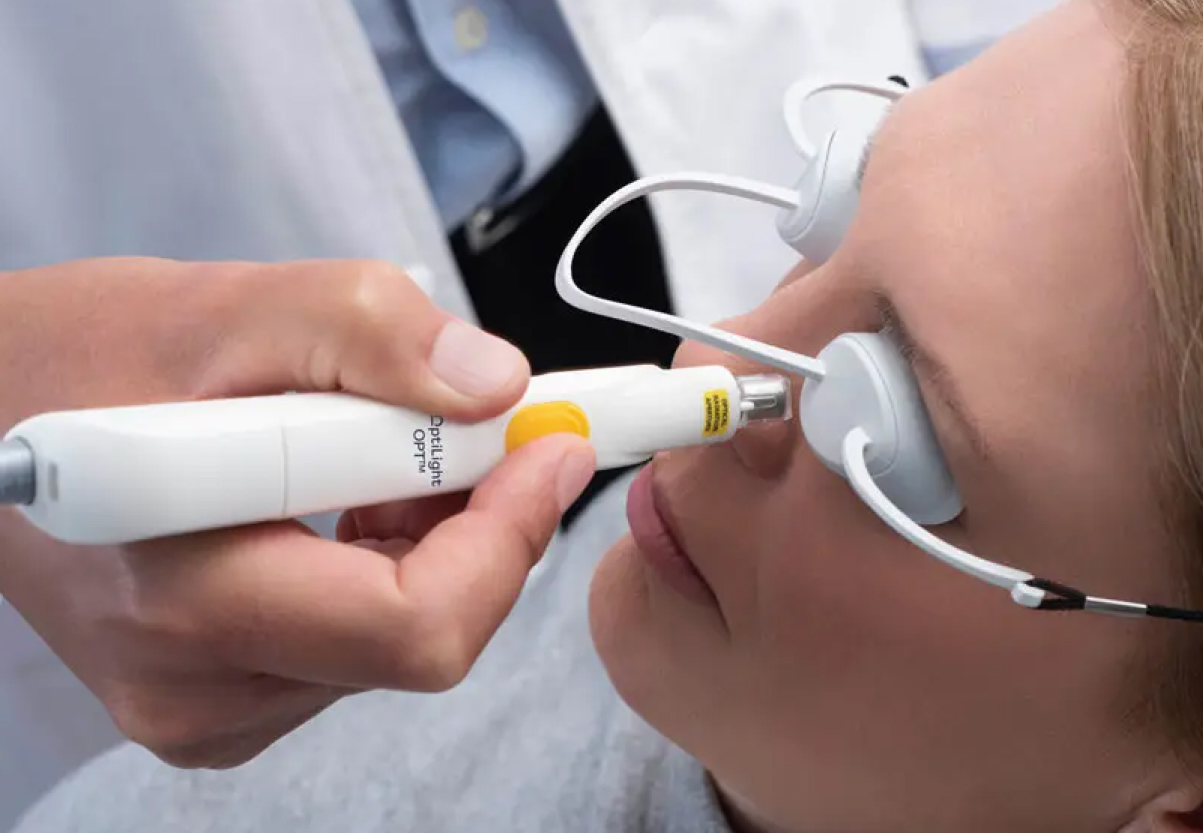
OptiLIGHT IPL Therapy at Opticare Opticians Newark
For independent opticians like Opticare, IPL allows us to offer medical-level eye care and advanced dry eye management. It aligns with our commitment to personalised patient care, investment in cutting-edge technology, and long-term solutions rather than short-term fixes.
Patients can now access OptiLIGHT IPL at our Opticare Newark practice.
OptiLIGHT with Lumenis’s patented Optimal Pulse Technology uses precise, intense, broad-spectrum light to address inflammation, a key underlying factor in dry eye disease due to MGD. OptiLIGHT is the first, and only, FDA-approved light therapy for dry eye management. It is clinically proven, with 6.3x more expressible glands and a 2.7x improvement in tear break-up time compared to gland expression alone.
Is IPL Right for You?
IPL may be suitable if:
- You have moderate to severe dry eye symptoms
- Your condition is linked to meibomian gland dysfunction
- You haven’t found sufficient relief from eye drops or home treatments
A full consultation is essential to determine suitability, as factors such as skin type and medical history need to be taken into account.
If your symptoms are more closely linked to blepharitis (inflamed, crusty eyelids) rather than dry eye alone, our BlephEx treatment may be a more suitable starting point — the two conditions often overlap, and our team can advise which is right for you.
Patients with the following conditions cannot undergo IPL treatment:
- Those taking medicines that increase skin sensitivity to heat
- Those taking medicines that change skin metabolism
- Cancerous or pre-cancerous lesions in the treatment area
- Herpes simplex in the treatment area
- Pregnancy
- Inflammatory skin conditions or other significant skin conditions
- Open lacerations or abrasions
- Chronic or cutaneous viral, fungal, or bacterial diseases
- Active local or systemic infections
Important Information
IPL is not a one-time cure; it’s part of an ongoing dry eye management plan. Some patients may need maintenance treatments and/or continued use of eye drops or lid care.
Dry eye doesn’t have to be something you simply live with.
For patients experiencing persistent dryness, irritation, or discomfort, IPL could be the turning point toward clearer, more comfortable vision and a better quality of life. Visit us in-store or get in contact to learn more about our new IPL dry eye therapy at Opticare.